Winters in south-east Northumberland are not always deep snow, but they are long, wet and windy, with enough frosty nights to catch out pipes and paths. Living near the coast adds salty, gusty weather that finds every weak spot. A bit of preparation in autumn saves a lot of hassle later, and most of it is simple. Here is the checklist we work through on our own homes.
Start at the top: gutters and downpipes
Blocked gutters are the most common cause of the damp patches we get called out to in winter. Leaves, moss and silt build up, water spills over the edge and soaks into brickwork. Once the trees have dropped their leaves, clear gutters and check that downpipes run freely. Look for joints that drip and brackets that have worked loose, especially on older terraced houses where gutters have often been patched over the years.
If your gutters are high or awkward to reach, do not balance on a ladder in the wind. It is exactly the kind of job worth handing over.
Stop the draughts
Draughts make a house feel colder than it is and push heating bills up. Common culprits include:
- gaps under external doors, which a new brush or rubber strip will fix;
- letterboxes without a flap or brush;
- worn seals on uPVC windows and doors;
- gaps around pipes where they pass through walls;
- loft hatches without any insulation or seal.
Most of these are quick, inexpensive fixes. While you are checking, make sure any trickle vents in windows are open. Ventilation still matters in winter, as we explain in our post on condensation.
Protect pipes from freezing
A burst pipe is one of the most disruptive things that can happen to a house in winter. Pipes in lofts, garages, outbuildings and under-stairs cupboards against outside walls are most at risk. Lagging is cheap and easy to fit. Make sure you know where your stopcock is and that it turns; if it is seized, now is the time to get it freed or replaced, not when water is pouring through the ceiling.
Outside taps and hoses
Disconnect hoses from outside taps so water cannot sit in the fitting and freeze. If your outside tap has an isolating valve inside the house, turn it off and open the outside tap to drain it. Insulated covers are inexpensive and worth fitting.
Check doors, windows and locks
Damp weather makes timber swell, so a door that just catches in summer may stick completely by December. A small adjustment to hinges or a light plane now saves a struggle later. Check that window locks and door locks work smoothly; dark evenings are when you want to know your home is secure. Outdoor security lighting is also worth a look at this time of year.
Fences, gates and loose items
Coastal gales find weak fence panels quickly. Check that posts are solid and panels are secure, and tie down or store garden furniture, trampolines and bins. A gate that swings and bangs all winter will wear out its hinges and post.
Paths and steps
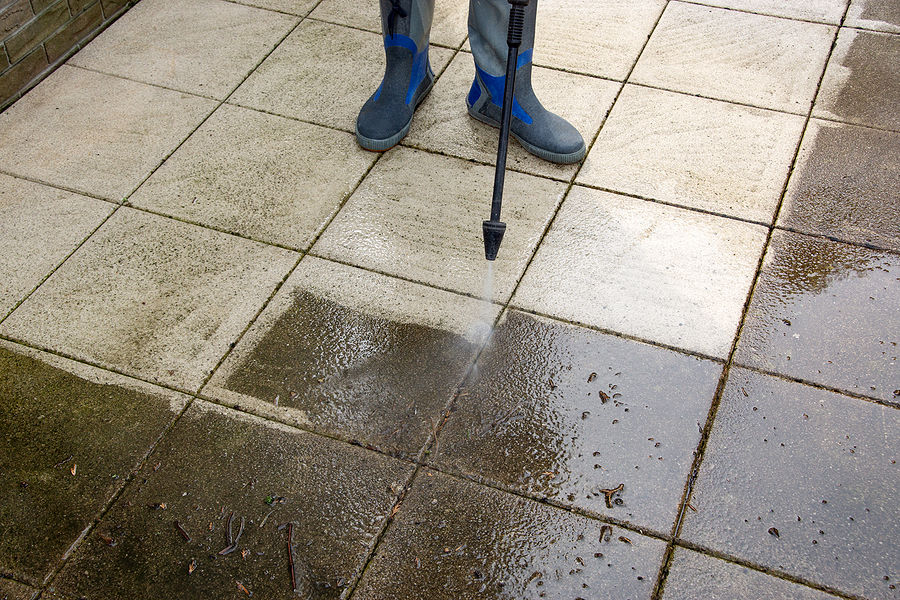
Moss and algae on paths and steps become slippery once the weather turns. A clean before winter reduces the risk of falls, particularly for older relatives. Keep a bag of grit or salt handy for icy mornings.
Inside jobs before the clocks change
- Bleed radiators so they heat evenly.
- Test smoke and carbon monoxide alarms.
- Check that extractor fans in bathrooms and kitchens are working.
- Look for signs of damp or mould in corners and behind furniture.
For anything involving your boiler or gas appliances, use a Gas Safe registered engineer. That is not work we do.
Getting help
If your list is longer than your free time, we can work through it in one visit, from clearing gutters and fixing draughts to adjusting doors and lagging pipes. Have a look at our odd jobs service or get in touch to book a visit before the busy winter weeks.
Last updated 15 September 2026.